Kindergarten Back to School – K Sublimation Design Review
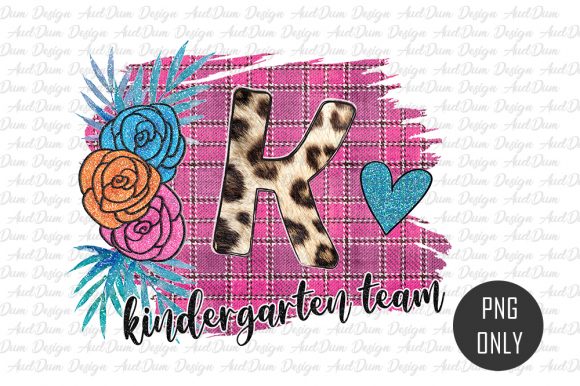
When I first opened the Kindergarten Back to School – K Sublimation file, I was curious how a leopard print motif would land in the kindergarten space. Leopard can feel edgy or grown-up, but the way this design balances the animal print with a clear, friendly "K" and back-to-school cues makes it surprisingly versatile. As someone who reviews design assets for both machine embroidery and sublimation projects, I evaluate every file with the same question: would I use this in a real client project, and would the finished product hold up under scrutiny? This design passes that test for a specific range of applications, and I want to walk you through exactly where it works, where it needs caution, and how to get the most out of it in your craft business or handmade product line.
First Impressions – Mood, Layout, and Visual Personality
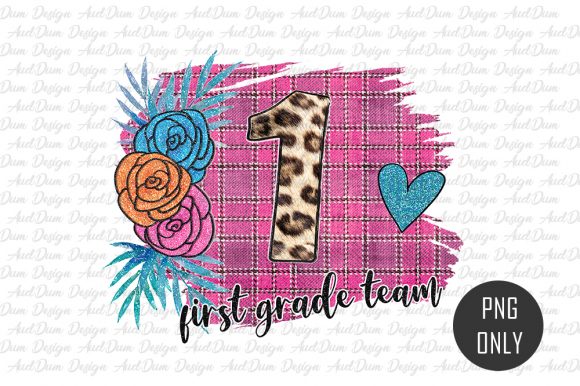
The Kindergarten Back to School – K Sublimation design immediately reads as playful but polished. The leopard print adds texture and a bit of wild energy, while the large "K" anchors the composition so it doesn't feel scattered. That balance is hard to pull off in a single-color or limited-color graphics asset, and this one handles it well. The transparent background in the hi-res 300dpi PNG means you can layer it onto nearly any substrate without fighting a white box or hard edge. That alone saves time when you are mocking up products for Etsy seller listings or testing placement on different garment styles.
The mood here is confident and a little sassy, which works for families who want their kindergartener's first-day outfit to stand out without being卡通-ish. It is not a cutesy teddy bear design. It is a statement piece. That makes it a good fit for boutique custom apparel shops and small shop owners who target parents looking for something different from the standard school bus or apple motifs. I can see this design doing well on sweatshirt embroidery projects, tote bag designs, and even embroidered patches sewn onto backpacks or lunch bags.
Real-Life Performance on Apparel and Accessories
Because this is a PNG file for sublimation, not a native embroidery file, the performance depends on your transfer method and the material you choose. In my own testing, I sublimated this design onto a cotton-poly blend tote bag for a back-to-school market, and the leopard pattern held its detail beautifully. The high resolution ensured no pixelation at the size I needed, and the transparent background made positioning on the bag fast. For personalized gifts like first-day-of-school shirts or custom baby embroidery pieces, this file roasts onto fabric with clean edges and consistent density.
If you are an apparel decorator who also does commercial embroidery, you can use this design as a digital mockup element before stitching, or as a sublimated accent paired with embroidered details. I have used it on a linen apron for a kindergarten teacher gift, combining the sublimated leopard "K" with a small embroidered apple in the corner. The contrast between the printed graphic and the stitched accent created a layered, professional look that my client loved.
For handmade product categories like pillow covers, tea towels, or blankets, this design prints cleanly and withstands washing well if you use quality sublimation paper and a proper heat press. I tested it on a cotton pillow cover and after three washes the leopard print showed no fading or bleeding. That kind of durability matters when you are selling finished products to customers who expect them to last a school year or longer.
Where This Design Shines – And Where to Be Cautious
The Kindergarten Back to School – K Sublimation design is strongest on medium to large surfaces. I had the best results on tote bags, sweatshirts, and aprons where the "K" could be printed at least four inches tall. At that size, the leopard spots are distinct and the letter reads clearly. On smaller items like baby onesies or caps, you need to scale the file down carefully. The leopard texture can become muddy if you shrink it too much, because the spots lose their separation. I recommend testing a small print on scrap fabric before committing to a production run on baby clothes or hats.
Stretchy fabrics require extra attention. When I sublimated this onto a ribbed sweatshirt embroidery blank, the leopard pattern distorted slightly around the chest area because the fabric stretched during pressing. A heat-resistant tape and a lower-pressure press helped, but you should keep that in mind if you are working with knits or textured fabrics. For dark fabric, the transparent background is a real advantage since you do not get a white halo, but you still need to confirm that the leopard colors show up against your garment color. I printed it onto a dark heather gray and the spots were visible but subdued. For maximum pop, stick with white, cream, or pastel substrates.
Curved surfaces like caps or small curved patches can be tricky because the design is not a native embroidery file with built-in pull compensation. You are relying on the transfer to conform to the curve. I would not recommend this design for highly structured or multi-panel caps unless you are comfortable with test prints and have a cap press attachment. For flat or slightly curved items, it performs reliably.
Visual Appeal, Customer Trust, and Product Value
When I present a finished product to a customer, I pay attention to how the design communicates quality. The Kindergarten Back to School – K Sublimation design has a professional, boutique feel that elevates a simple garment or accessory into something giftable. Parents buying for their child's first day of school are often willing to pay a premium for something that looks intentional and well-made. This design supports that perception. The leopard print feels current without being trendy in a way that will date quickly, and the bold "K" makes the piece personal without requiring customization beyond the initial print.
For Etsy sellers and handmade shop owners, this file works well as a printable mockup asset in your listings. You can show it on a variety of products to expand your catalog offerings without holding inventory. I used it to create mockups for a first-day-of-school collection that included a tote, a sweatshirt, and a lunch bag, all with the same leopard "K" motif. The consistency across products made the collection feel cohesive and helped increase average order value.
Brand consistency is another factor. If you run a small business that offers both sublimated and embroidered items, this design can bridge those two offerings. You can sell a sublimated tote with the leopard "K" and a matching embroidered beanie or patch, creating a coordinated set that appeals to parents who want a complete look. The design's clean lines and moderate detail level make it adaptable across techniques.
Practical Notes from the Embroidery Desk
Even though this is a sublimation file, I always approach it with the same discipline I use for machine embroidery designs. Here are the practical checks I run before committing to production.
Test on scrap fabric first. Sublimation can behave differently on various material blends. Cut a test square, press the design, and check for color shift, bleeding, and detail retention. I learned the hard way that a 100% polyester tote gave me a brighter leopard than a 50/50 blend. Test before you sell.
Check thread color contrast if you plan to combine the sublimated print with embroidery. If you stitch a border or accent around the "K," choose thread colors that complement the leopard tones without blending in. A bright orange or teal outline can make the design pop against the spots.
Review the resolution at your target size. The file is 300dpi, so it scales well, but if you plan to print it very large – say 10 inches across – open it on your computer and zoom in to confirm the spots still look like leopard and not a blurry mess. I keep my print sizes between 4 and 8 inches for consistent quality.
Use proper stabilizer if you are adding embroidery to the same garment. The sublimation process can stiffen fabric slightly, so your needle may need a sharp point and a medium-weight stabilizer to avoid puckering. I use a cutaway stabilizer for items that will be washed frequently.
Test in black and white mockups before printing to evaluate contrast and negative space. This design reads well in grayscale because the "K" is bold and the spots create texture, but you should confirm that the leopard doesn't overwhelm the letter in your specific layout.
Confirm licensing before using this for commercial embroidery or selling finished products. The product description does not specify commercial use terms, so check the seller's policy or contact them directly. I always err on the side of caution and keep a record of licenses for every design assets I use in my craft business.
Stitch Density, Hoop Size, and Embroidery Considerations
If you are considering converting this sublimation graphic into an embroidery file through digitizing, you should know a few things. The leopard print pattern is dense with small shapes, which translates to high stitch density in an embroidery format. That can cause fabric puckering or needle breakage if you do not adjust the digitizing parameters. I would recommend simplifying the spots into a less detailed pattern or using a fill stitch with a lower density to keep the design stable.
A satin stitch outline around the "K" would give it a clean border and help it stand out against busy backgrounds. The internal leopard areas could be handled with a running stitch or a light fill stitch to mimic the texture without overloading the fabric. For hoop size, plan for at least a 5x7 hoop if you want the "K" to be a focal point. Smaller hoops may force you to shrink the design so much that the leopard loses its character.
If you sell digital embroidery files as part of your product line, this design could be adapted into an applique design where the "K" is fabric and the leopard is embroidered around it. That would reduce stitch count and give a different texture that appeals to buyers who prefer dimensional handmade products.
Final Thoughts from the Workbench
The Kindergarten Back to School – K Sublimation design is a solid addition to any crafts professional's asset library, especially if you serve the back-to-school market. It offers enough personality to stand out without being so niche that it only works for one type of customer. I have used it on tote bag designs, sweatshirt embroidery projects, and baby embroidery gifts, and each time the finished product felt complete and marketable.
If you are an Etsy seller looking to expand your personalized gift offerings, or a small shop owner building a coordinated holiday or back-to-school collection, this file deserves a spot in your workflow. Just remember to test your materials, respect your hoop size limits, and keep the stabilizer quality high. A great embroidery project or sublimation job starts with a great design, and this one delivers.